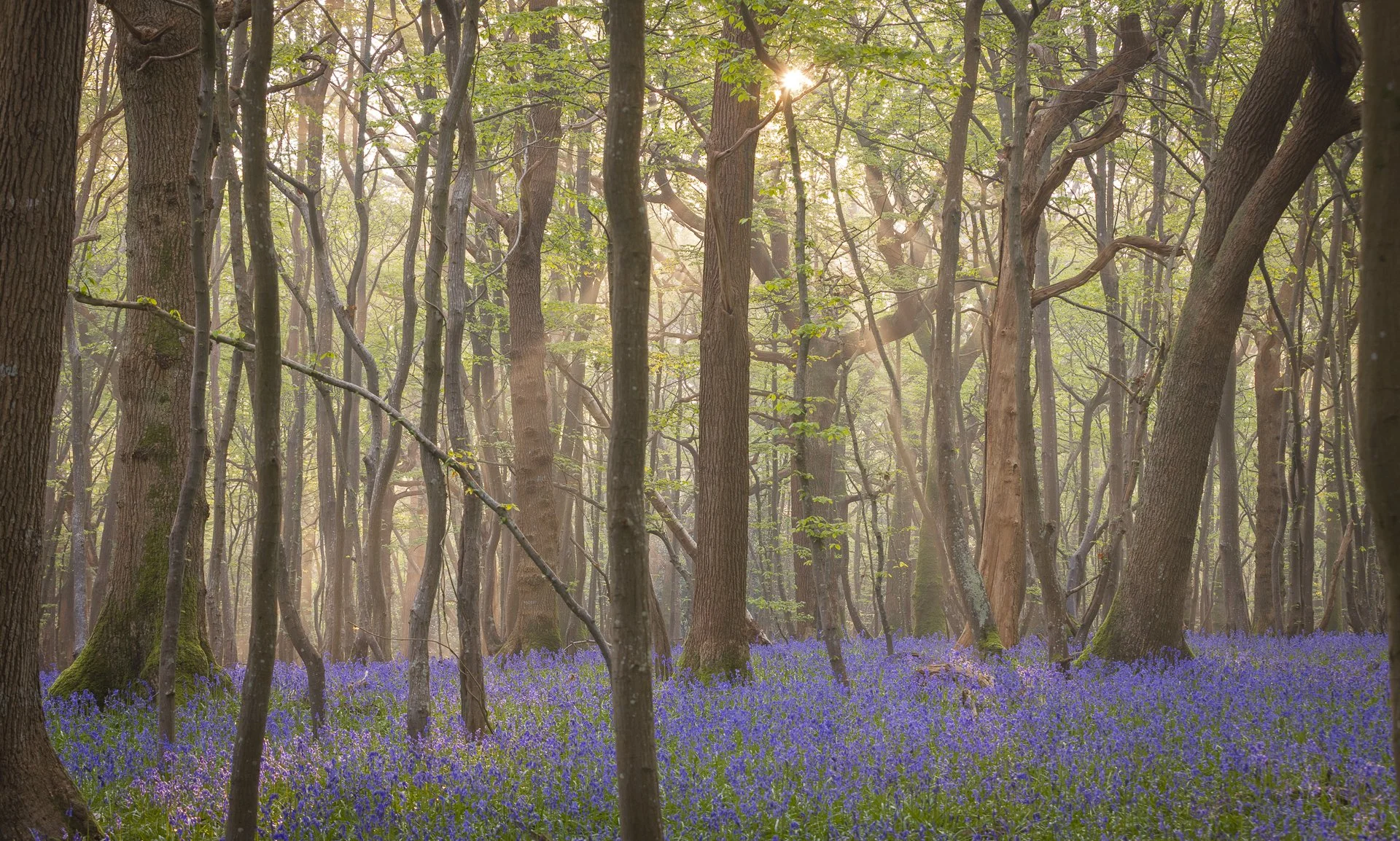
Each spring, usually from mid-April through early May, woodlands across Sussex come alive with carpets of bluebells and the unmistakable scent of wild garlic. For a few short weeks the forest floor turns blue and white, creating some of the most beautiful seasonal scenes in the county.
Sussex is fortunate to have large areas of ancient woodland, particularly across the South Downs and the High Weald, which provide the ideal conditions for bluebells to thrive. From quiet beech woods to larger nature reserves, there are countless places to experience this brief but spectacular moment in the woodland calendar.
Below are some of the best bluebell and wild garlic woods in East and West Sussex, along with simple parking advice to help you plan a visit.
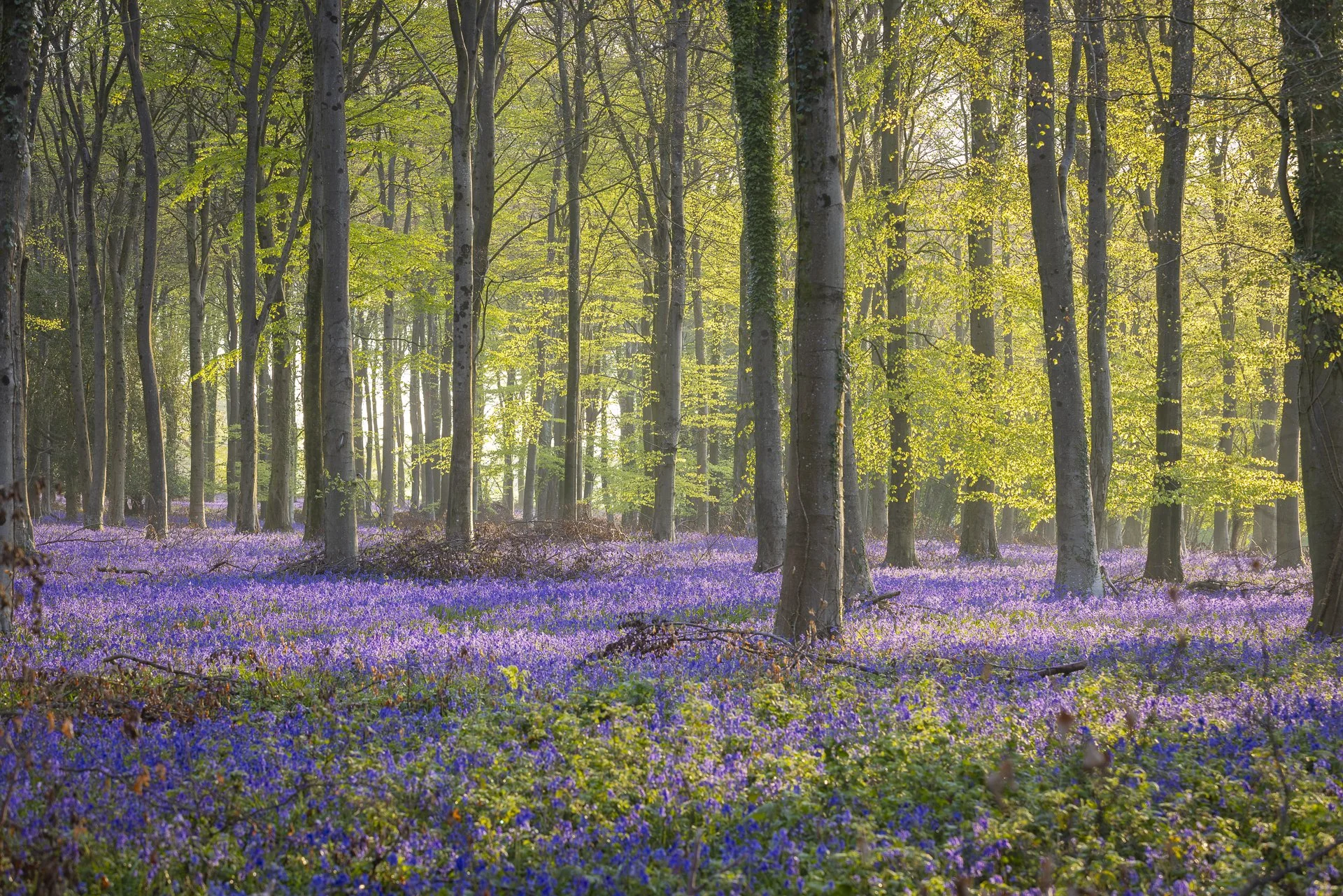
When is the Best Time to See Bluebells in Sussex?
Bluebells usually begin appearing in mid-April, with peak displays typically occurring in late April and early May depending on spring temperatures. Wild garlic often flowers around the same time, particularly in damp woodland valleys and alongside streams.
Early mornings during this period are often the most atmospheric. Calm conditions, soft light filtering through the trees and occasional spring mist can transform a woodland into something quite magical.
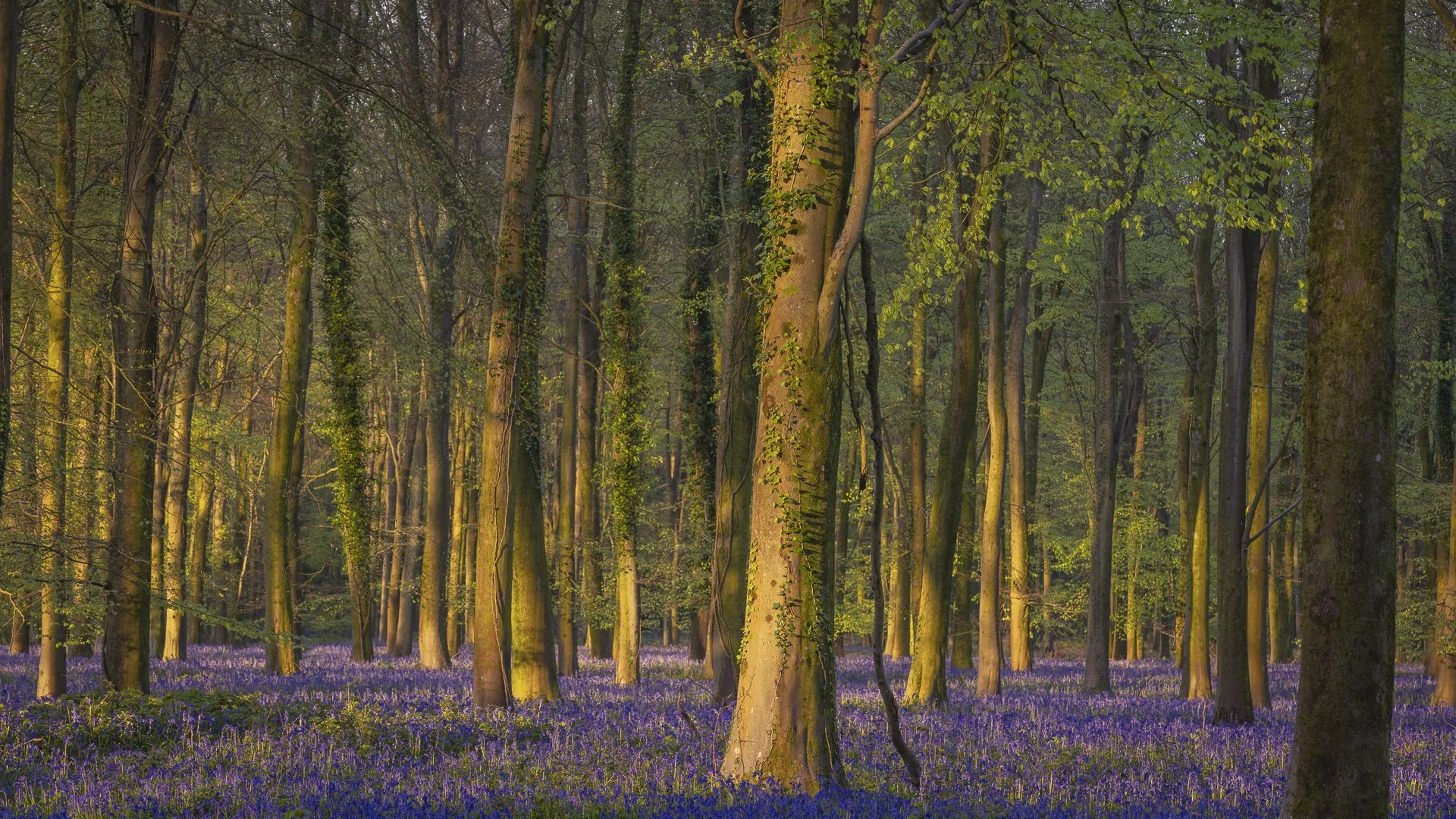
Visiting Bluebell Woods Responsibly
I ask you to take the utmost care when visiting these places so that others can enjoy them too. Bluebells are extremely delicate and can take up to five years to recover if damaged, so always stick to the paths and trails, tempting as it may be to wander into the blue.
It’s important that through our enjoyment we don’t alter the natural beauty of a space, allowing these special places to be enjoyed year after year.
If you are visiting for photography, I would strongly recommend arriving for sunrise or shortly afterwards for the best light. Weekdays are also preferable, as many of these woods become very busy once the displays reach their peak.
If photographing pets or people, please keep them on the paths and position yourself outside the bluebell areas to achieve the same visual effect without disturbing the flowers.
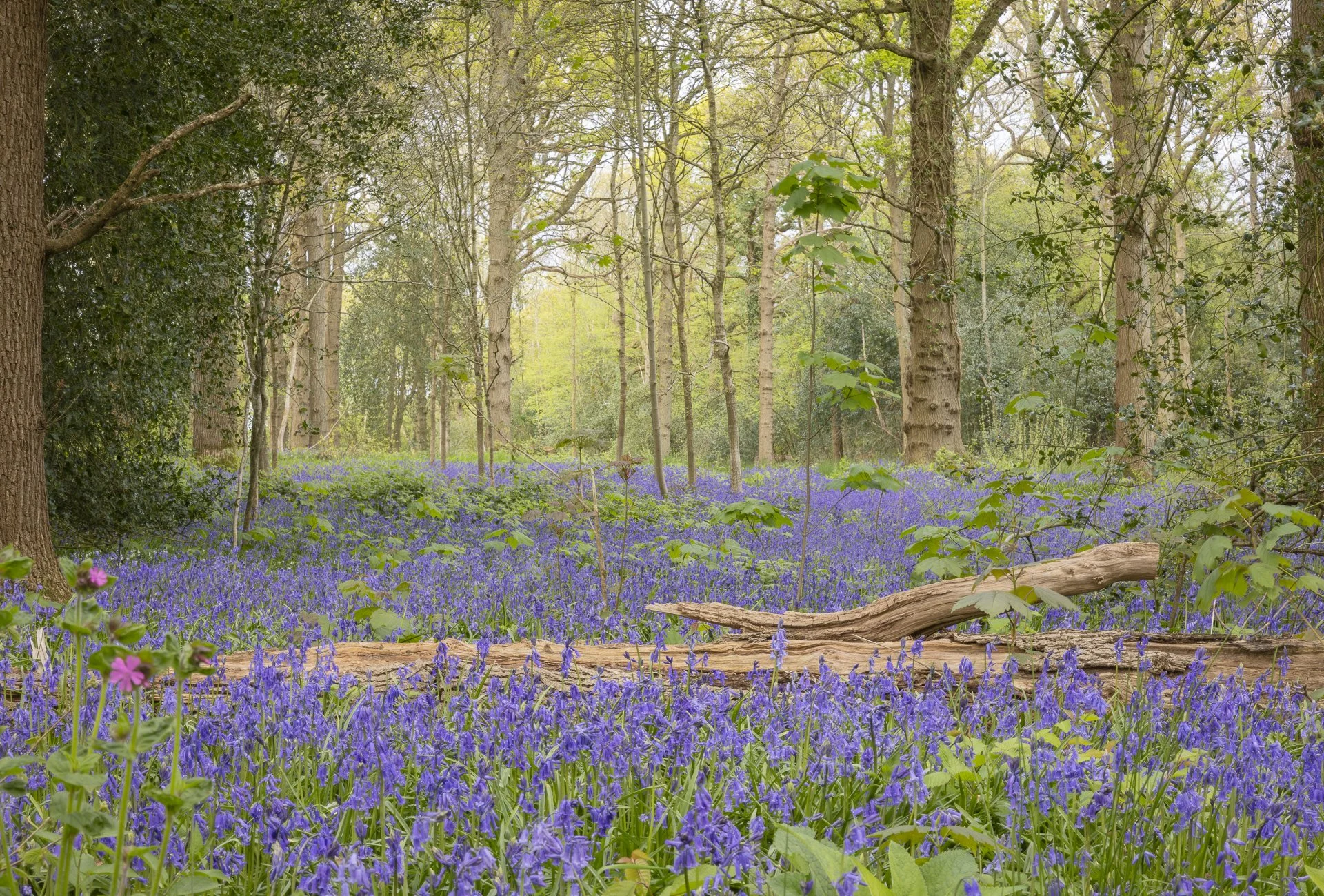
Angmering Park Estate
Slindon Estate and Nore Wood
Inholmes Wood
Leonardslee Lakes and Gardens
Butcher’s Wood, Hassocks
Wakehurst
Abbots Wood
Brede High Woods
Arlington Bluebell wood
Stanmer Park
Purple points for main bluebell woods, blue points for addition bluebell woods in Sussex.
Best Bluebell Woods in West Sussex
Angmering Park Estate
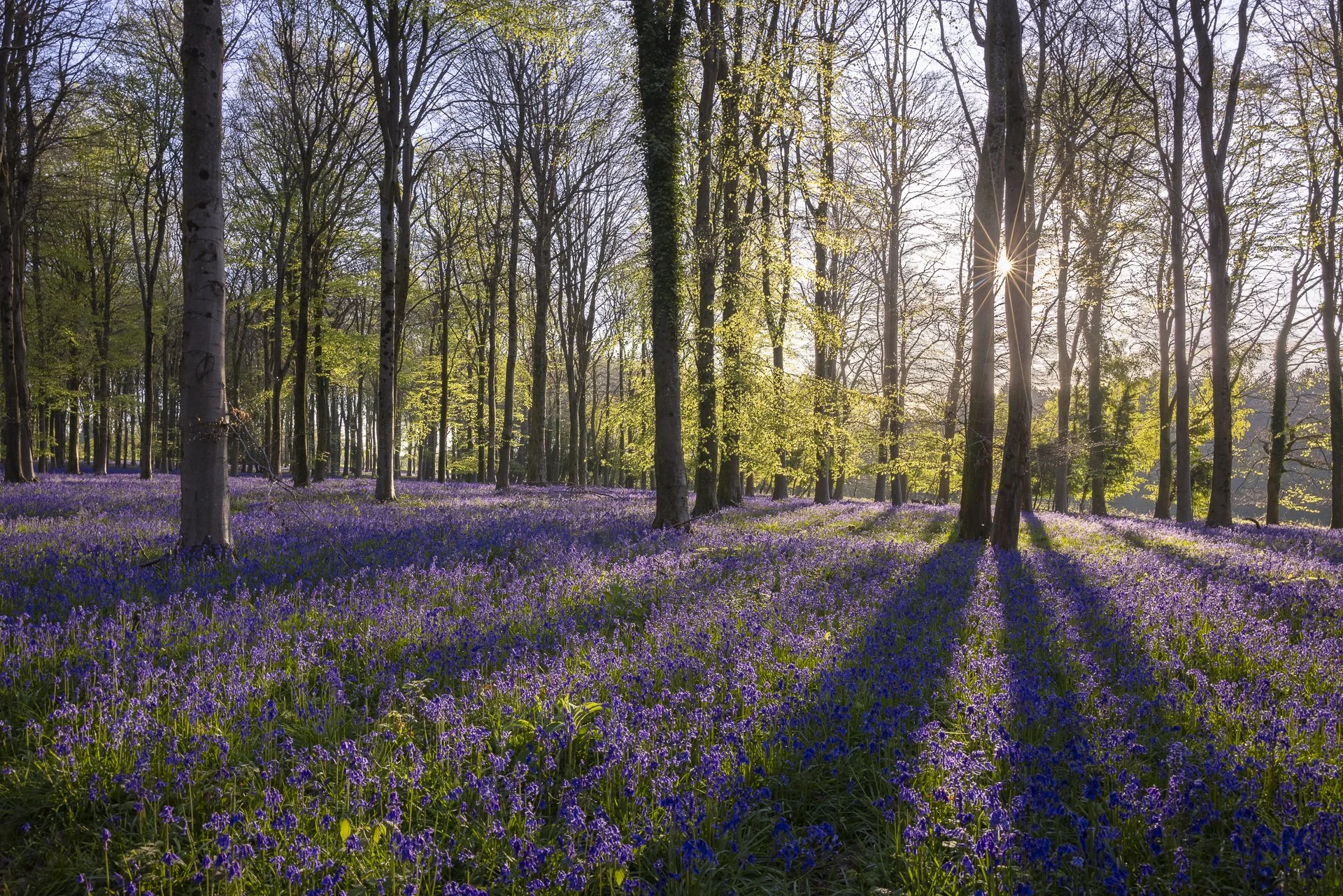
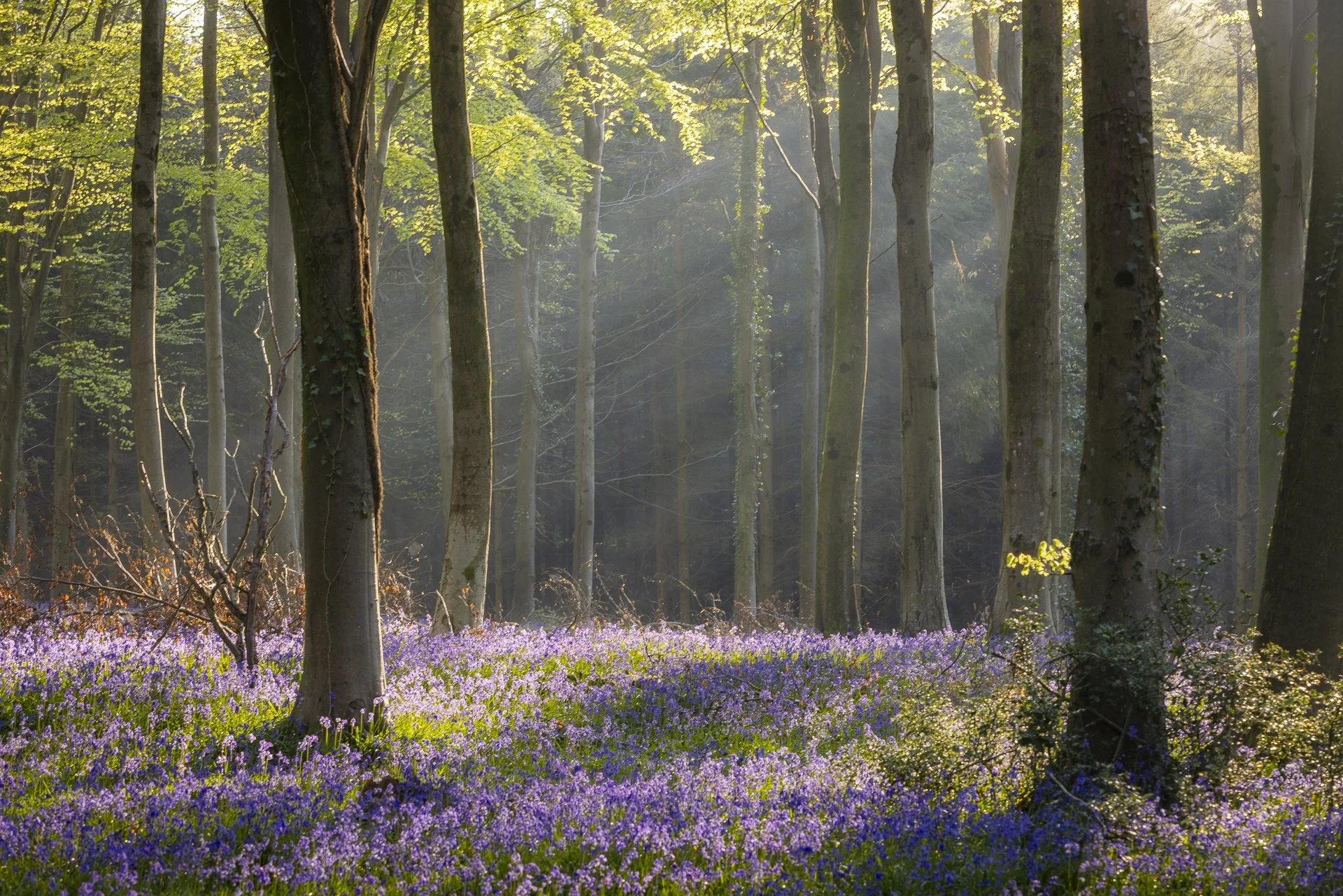
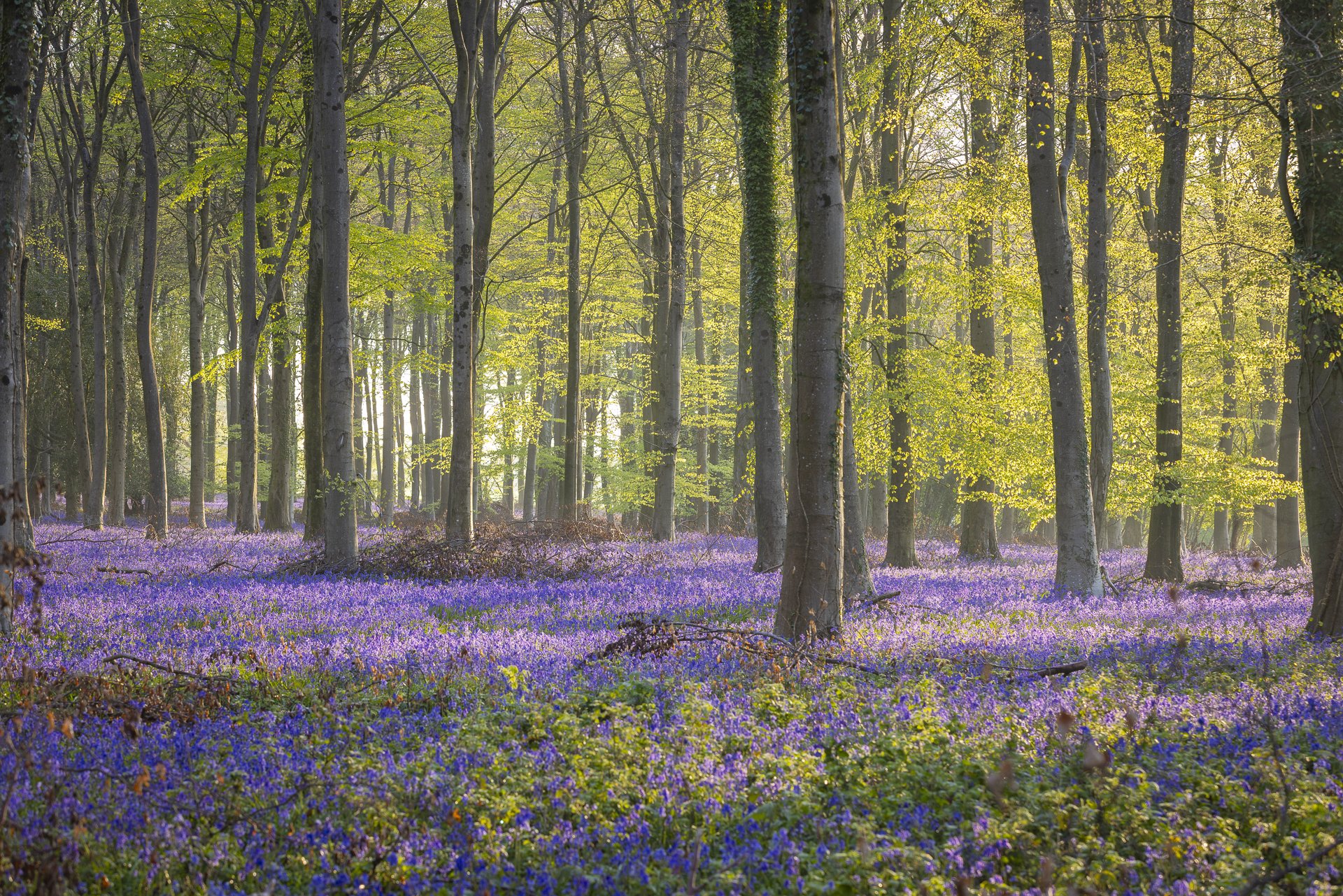
An obvious place to begin. Angmering Park Estate is one of the most impressive bluebell locations in West Sussex. Much of the woodland here is mature beech with relatively little undergrowth between the trunks, allowing large uninterrupted carpets of bluebells to spread across the woodland floor.
There are plenty of deer in the woods and although the bluebell areas are extensive, there are also sections where the woodland opens towards surrounding farmland. These breaks in the canopy allow sunlight to reach the forest floor and create beautiful conditions on misty mornings when sunrays filter through the trees.
Parking: Dover Lane car park, which is free and open 24 hours. From here walk north along Dover Lane for roughly ten minutes until you reach the woodland entrance. The areas to the right of the path tend to hold the best displays.
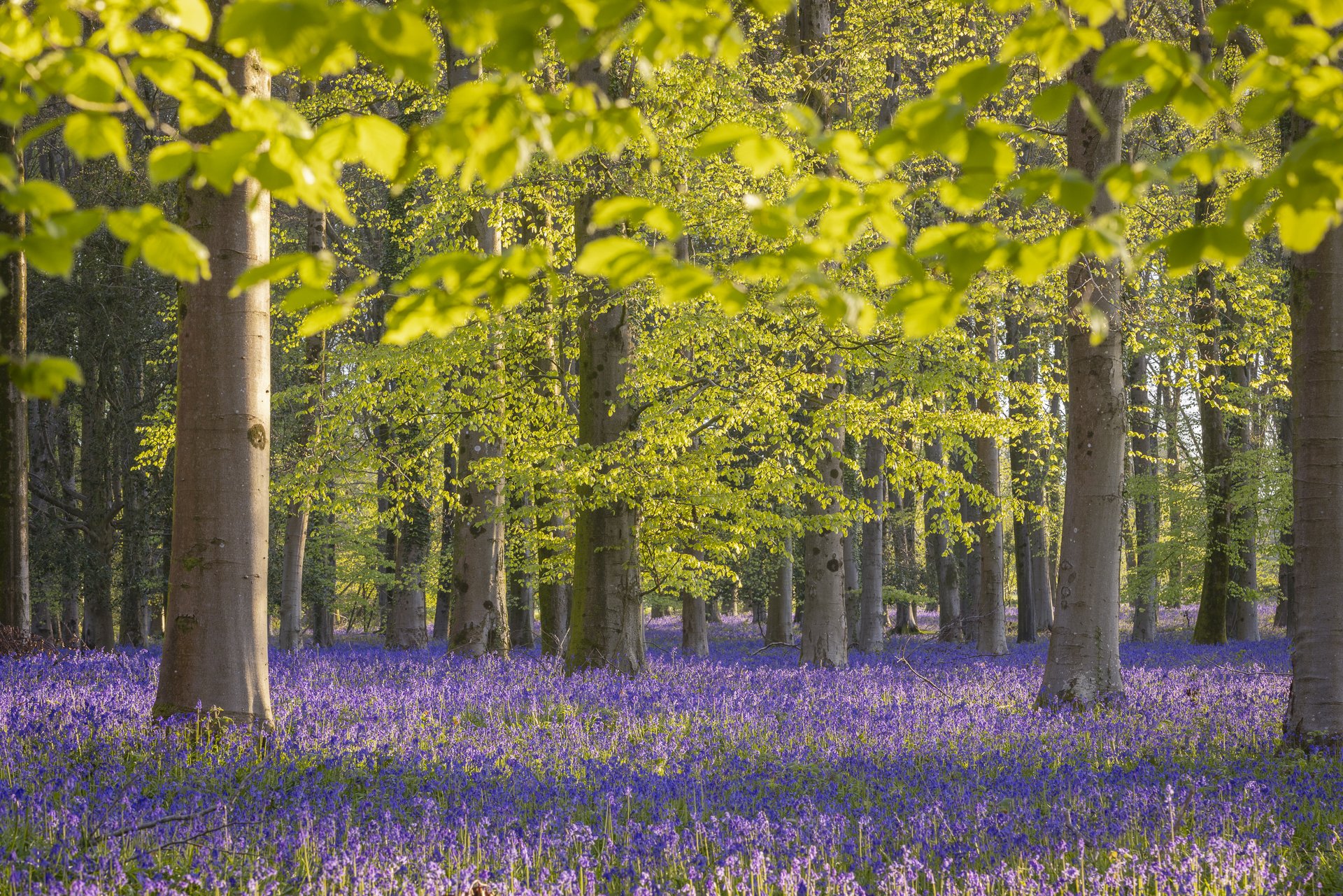
Slindon Estate and Nore Wood
The woodlands around Slindon on the South Downs are another excellent place to see bluebells in spring. Nore Wood in particular produces large drifts beneath tall beech trees, creating classic South Downs woodland scenery. Due to its hillside location, it offers a different perspective than the flat forest composition.
The elevated position of the woods also allows sunlight to reach the forest floor, which can be especially beautiful in the early morning.
Parking: Slindon village car park or roadside parking along Top Road with public footpaths leading into the woods.
Images to come 2026
Inholmes Wood
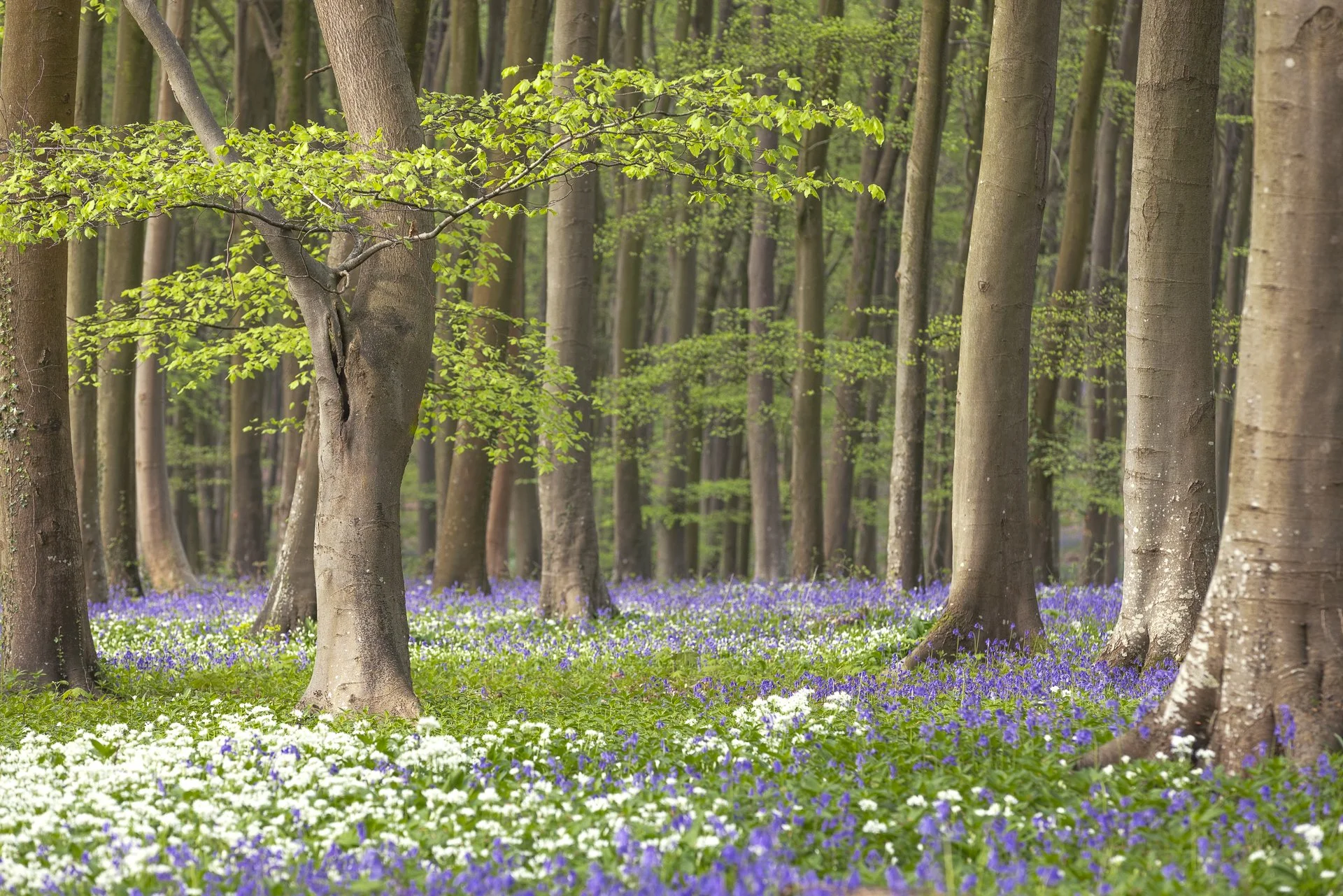
Inholmes Wood near Kingley Vale is a beautiful area of ancient woodland where bluebells and huge blankets of wild garlic appear each spring. Mature trees with relatively open ground beneath allow the flowers to spread across the woodland floor. Unfortunately, in the past two years the Forestry Commission have really thinned out this woodland and much of the forest floor has been disturbed and destroyed. Hopefully they’ll be a relatively quick recovery as the wild garlic here was the best location in Sussex.
Parking: It’s best to park in the Stoughton forest carpark, walk towards East Marden along the road and explore the forest on either side of the road along the many paths and trails.
Leonardslee Lakes and Gardens
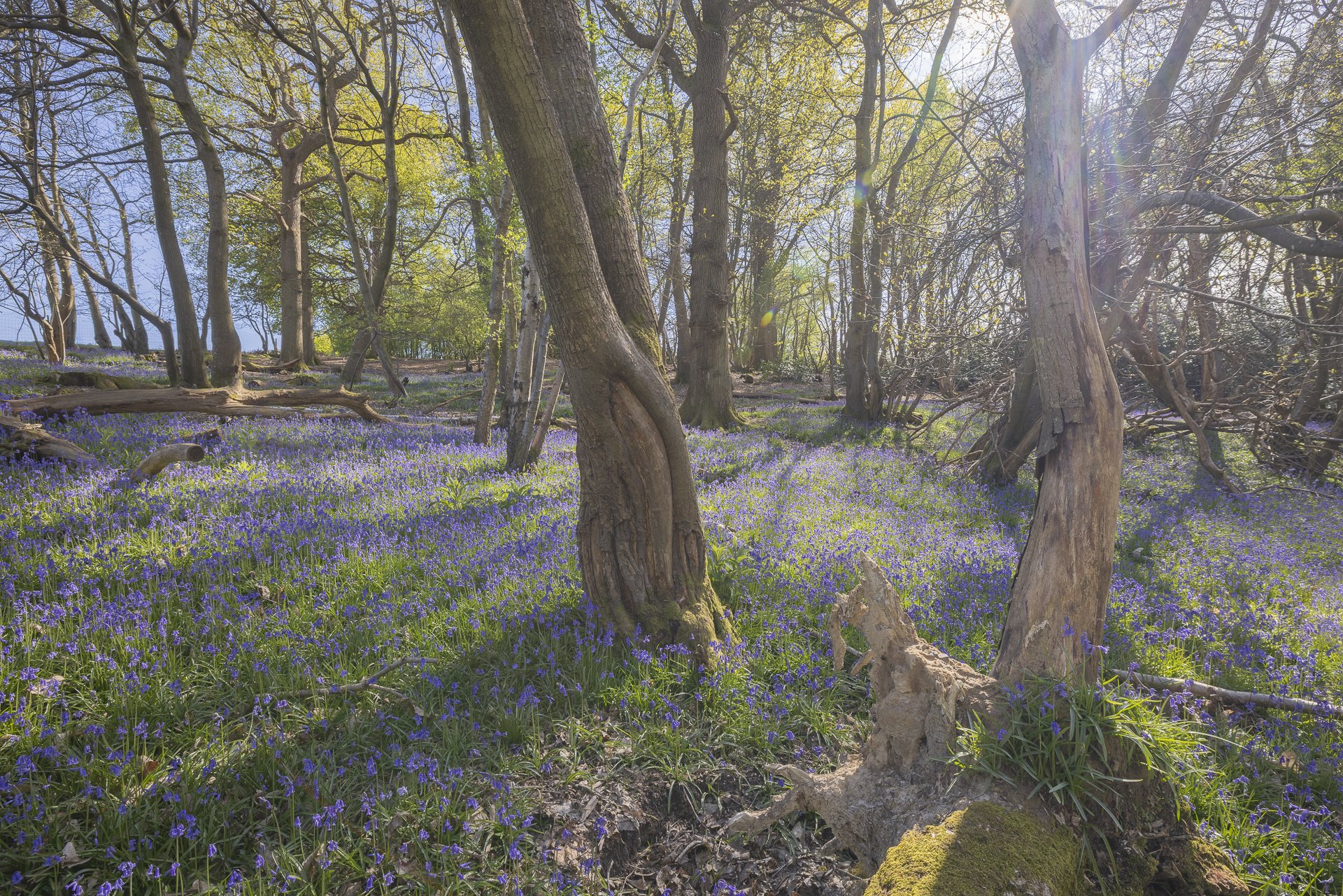
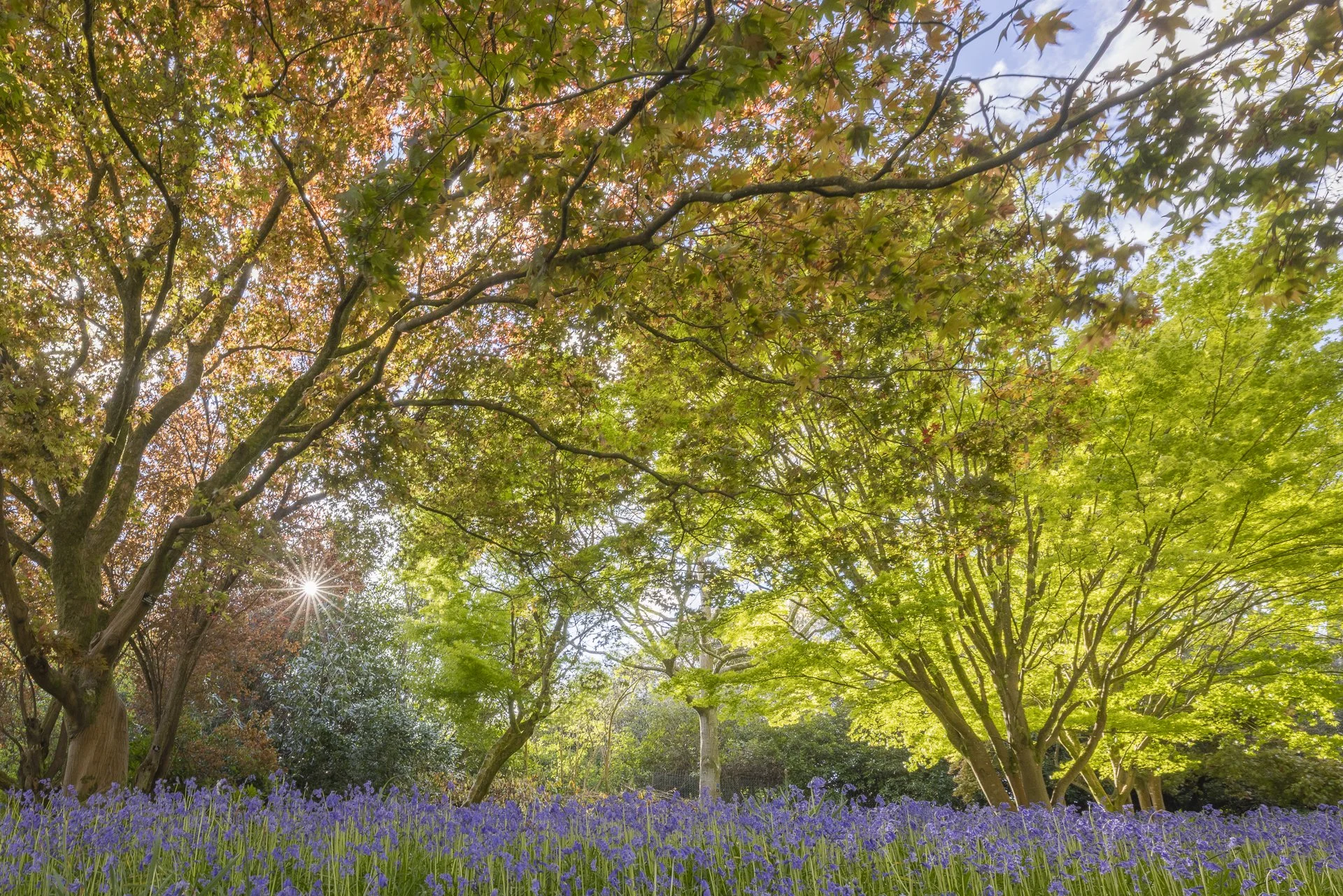
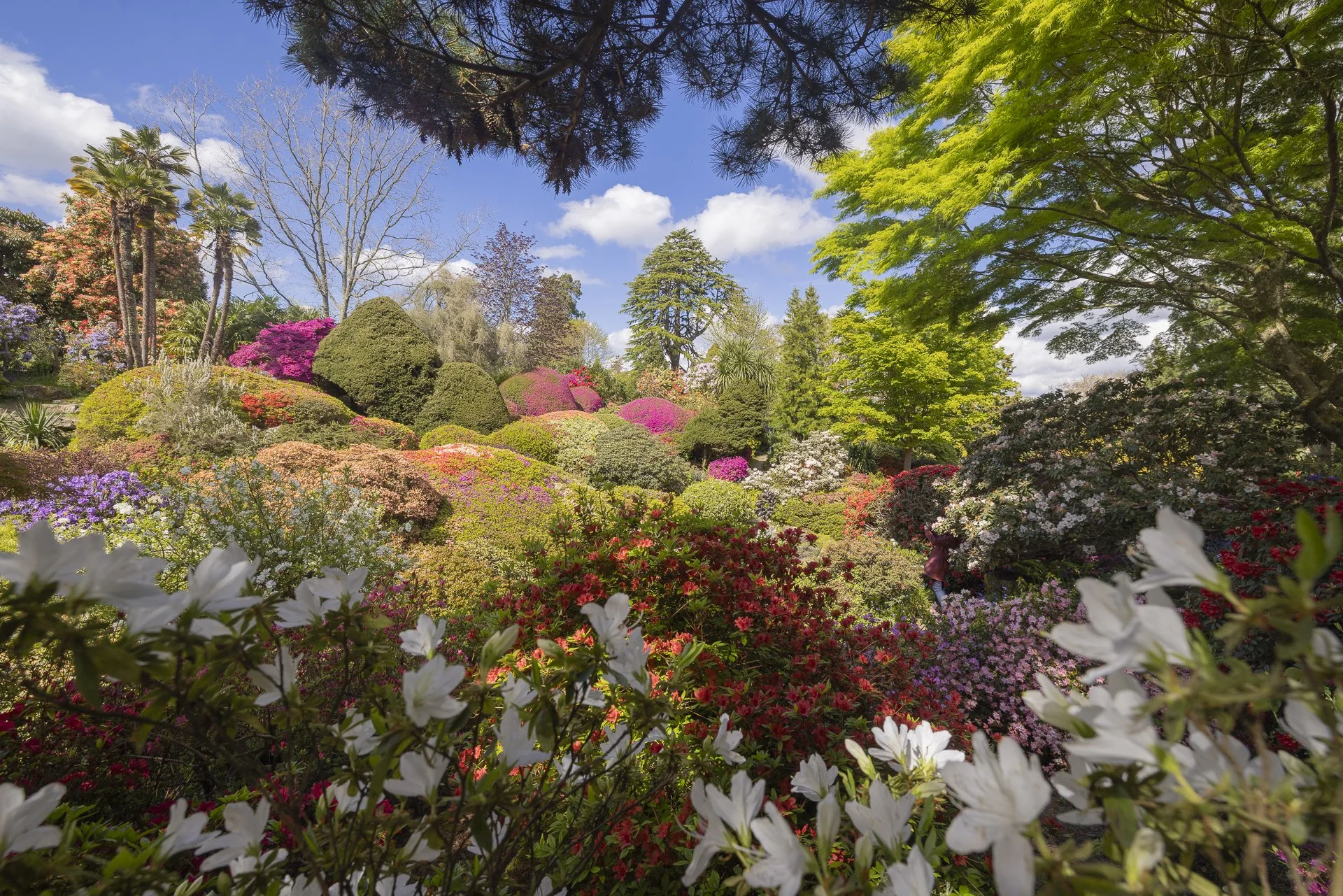
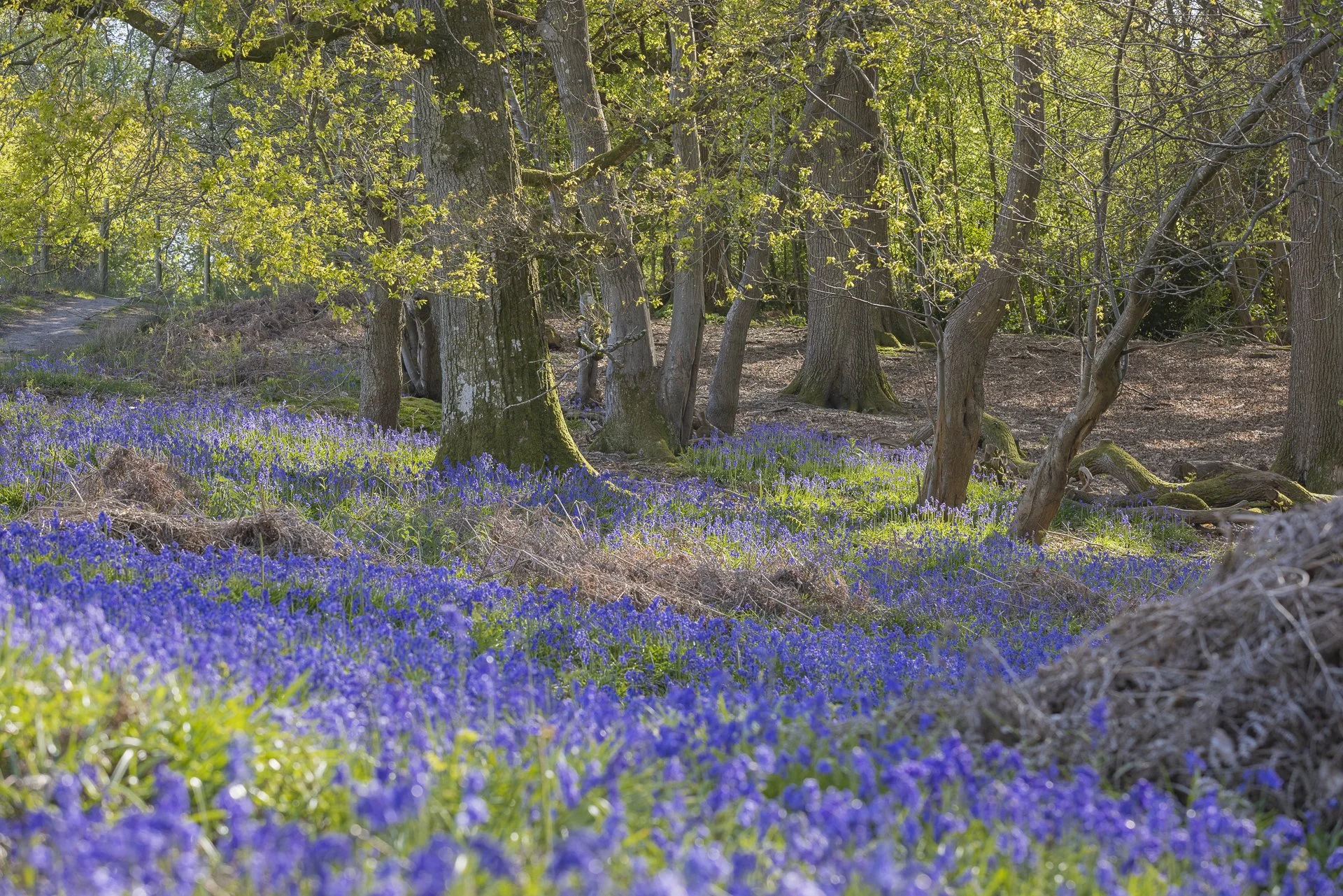
The woodland around Leonardslee Lakes near Horsham comes alive with bluebells during late April and early May. Rolling woodland slopes surround the lakes, and the bluebells often appear along the banks and paths where the light filters through the trees. Alongside bluebells, Leonardslee also has huge displays of magnolias, camellias, rhododendrons, dogwoods and both a deer park and wallabies too. First thing in the morning is when it’s quietest.
Parking: Leonardslee Gardens visitor car park (paid entry to the estate).
Butcher’s Wood, Hassocks
Butcher’s Wood is a smaller woodland but produces a reliable display of bluebells each spring. Oak and hazel dominate here and the winding paths lead through gently rising ground where the flowers spread beneath the canopy.
Because it is relatively compact, the bluebells can feel especially concentrated during peak bloom.
Parking: Limited roadside parking around Crescent Road and nearby residential streets (please park considerately).
Images to come 2026
Wakehurst
Wakehurst, the wild botanic estate near Ardingly, has one of the most reliable and photogenic bluebell displays in Sussex. In late April and early May the woodland near the Millennium Seed Bank and Bethlehem Wood becomes carpeted in rich bluebells beneath mature trees, with well‑maintained paths that let you walk through the flowers without causing damage.
Parking: National Trust car park at Wakehurst (paid on arrival).
Images to come 2026
Upcoming Photography workshops
For great locations for photography in Sussex why not visit another of my blog posts
Best Bluebell Woods in East Sussex
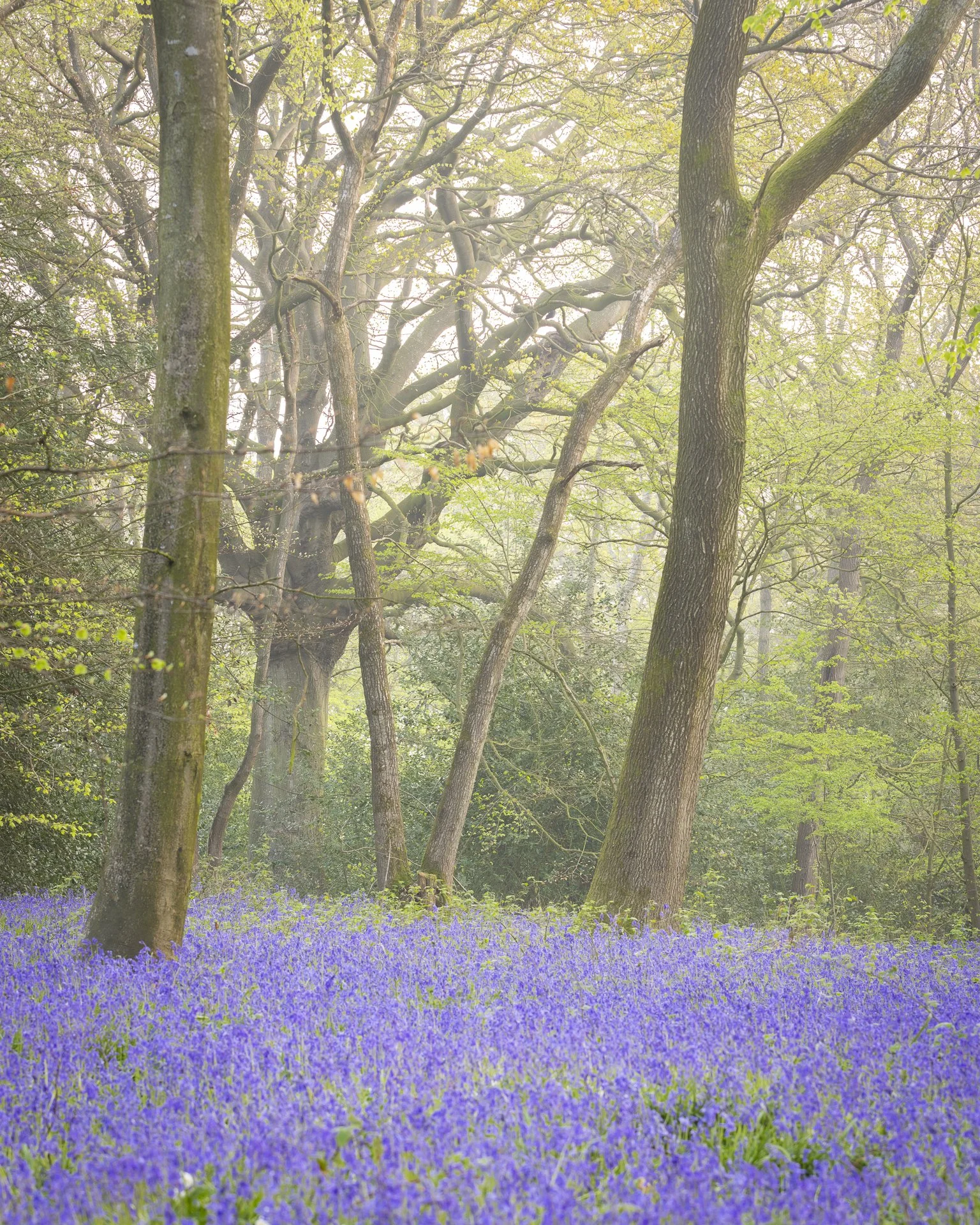
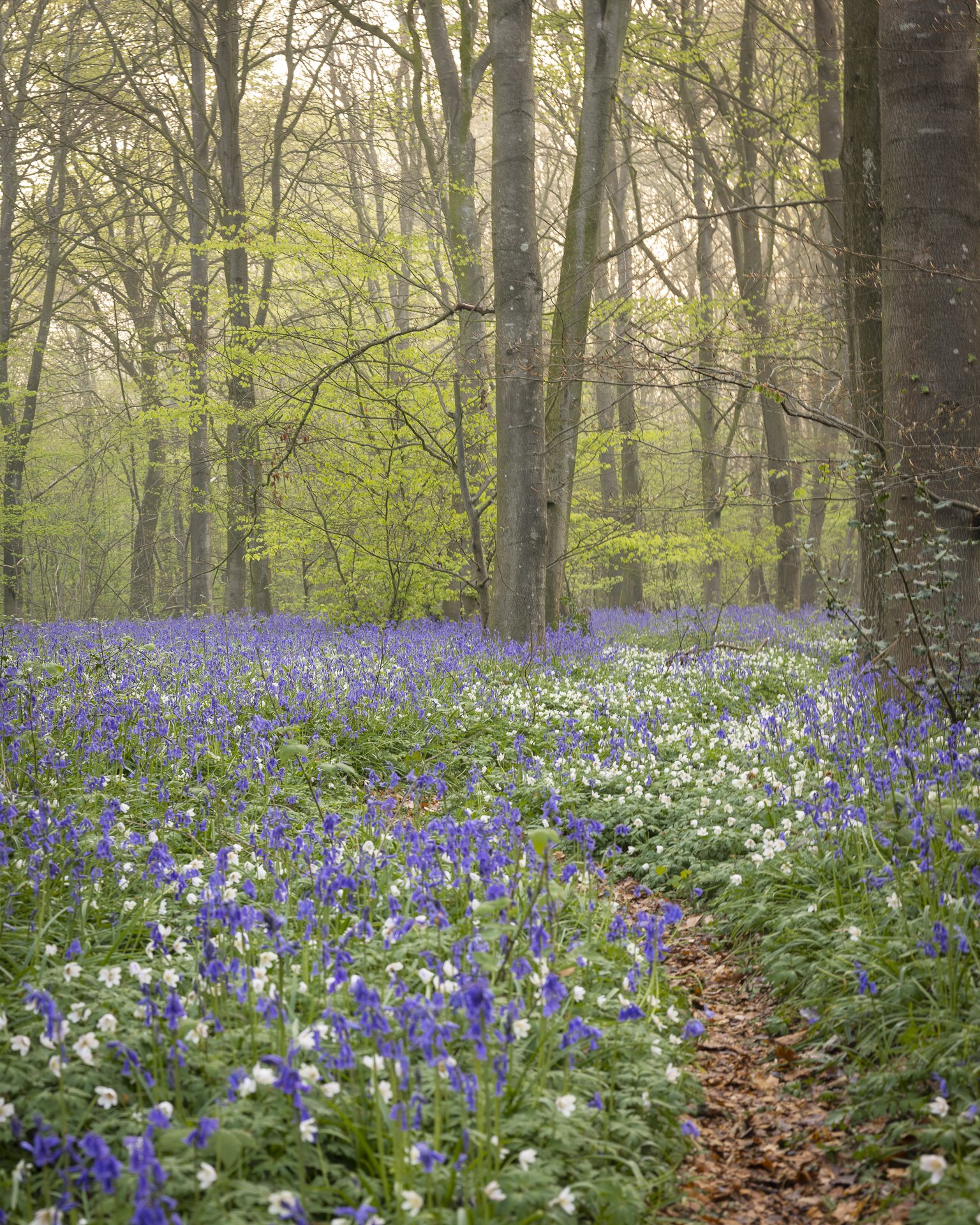
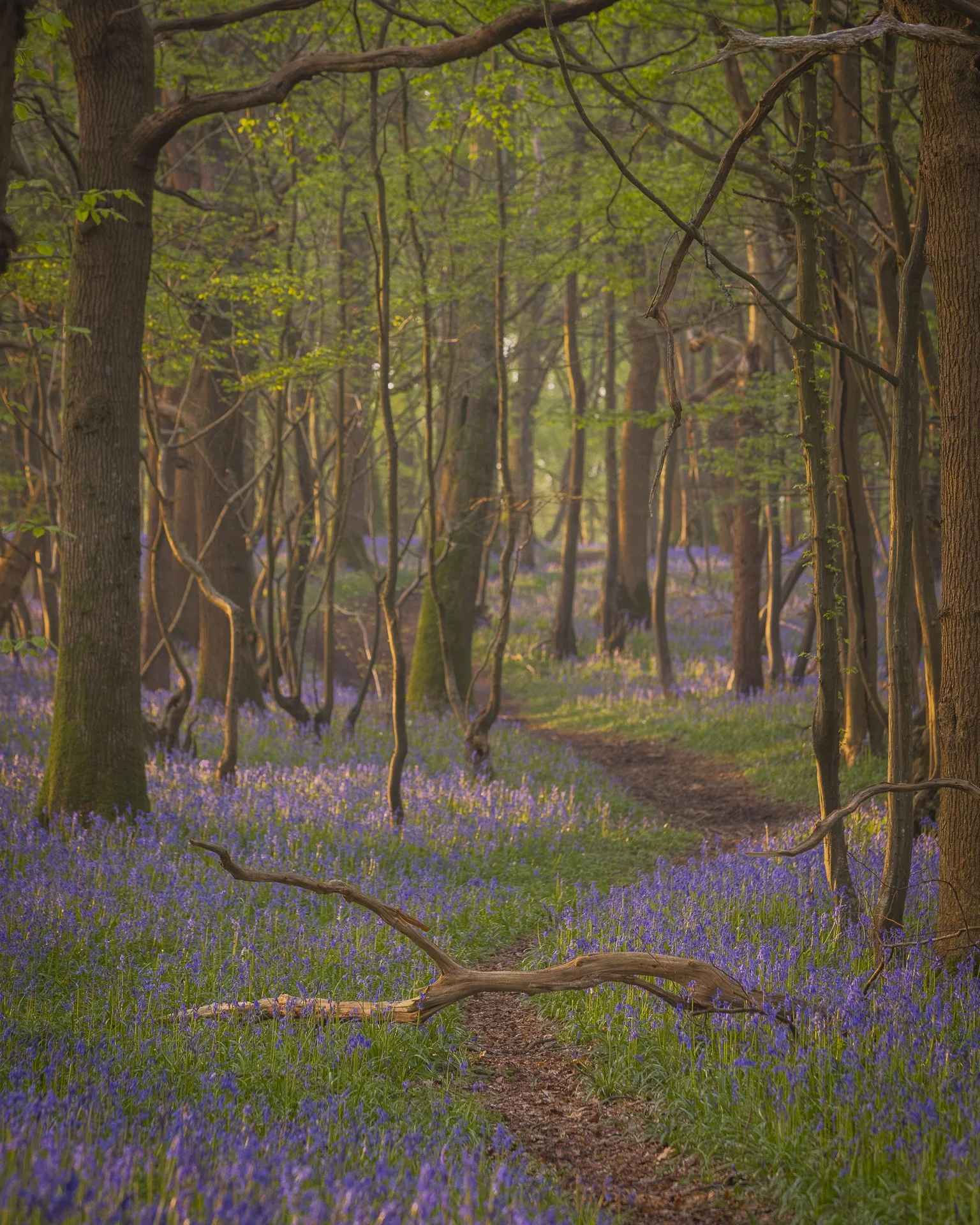
Abbot’s Wood
Abbot’s Wood is a large mixed woodland made up of hornbeam, hazel, birch and oak. Rather than one continuous carpet, the bluebells appear in pockets throughout the woodland, making it a rewarding place to explore. There are plenty of deer throughout these woodlands too, particularly before the arrival of the dog walkers.
The varied tree cover creates constantly changing light conditions which can be particularly beautiful early in the morning.
Parking: Forestry England Abbot’s Wood car park off the A22 (paid). Early visitors may find occasional lay-bys around the surrounding roads.
Brede High Woods
Brede High Woods near Battle is one of the largest ancient woodlands in Sussex and feels wonderfully expansive. Bluebells appear along the valleys and woodland paths, often accompanied by the scent of wild garlic in damper areas.
Because the woodland is so large, it is often possible to find quieter areas away from the main routes.
Parking: Woodland Trust car park at Cripps Corner or smaller informal parking areas along Chitcombe Road.
Images to come 2026
Arlington Bluebell Walk
Arlington Bluebell Walk is one of the best-known places in Sussex to see bluebells. The trails wind through ancient woodland where the flowers appear in dense carpets each spring. As this is more of an attraction woodland, expect larger crowds of people, especially on the weekends. It’s perhaps more suited to those wanting to see bluebells without having to walk long distances, with the opportunity to sit down on benches along the route.
It is a managed attraction with an entry fee of £5 (last time I checked), the paths allow visitors to experience the displays without damaging the woodland floor.
Parking: Large on-site field car park during the bluebell season.
Images to come 2026
Stanmer Woods
Just outside Brighton, Stanmer Woods offers one of the most accessible bluebell locations in Sussex. The displays are best towards the upper areas of the woodland although several areas produce beautiful drifts beneath mature trees. There are some gnarly huge beech trees and ancient yews also worth seeking, if you’re out with the camera.
Parking: You can park in one of the smaller Stanmer Park car parks or at One Garden for a small fee. One Garden has free entry and is well worth a visit for refreshments and those interested in gardens.
Images to come 2026
Other Bluebell Woods Worth Exploring in Sussex
Sussex has a remarkable amount of ancient woodland and there are many smaller places where bluebells appear each spring. Woods such as Ebernoe Common, Battle Great Woods, Selwyns Wood, Clapham Woods, Marline Valley, Fairlight Glen and The Mens Nature Reserve can all produce beautiful displays.
Part of the enjoyment of spring in Sussex is simply exploring and discovering where the woodland floor has quietly turned blue.
If you’re struggling with your bluebell photography, why not check out another of my posts.